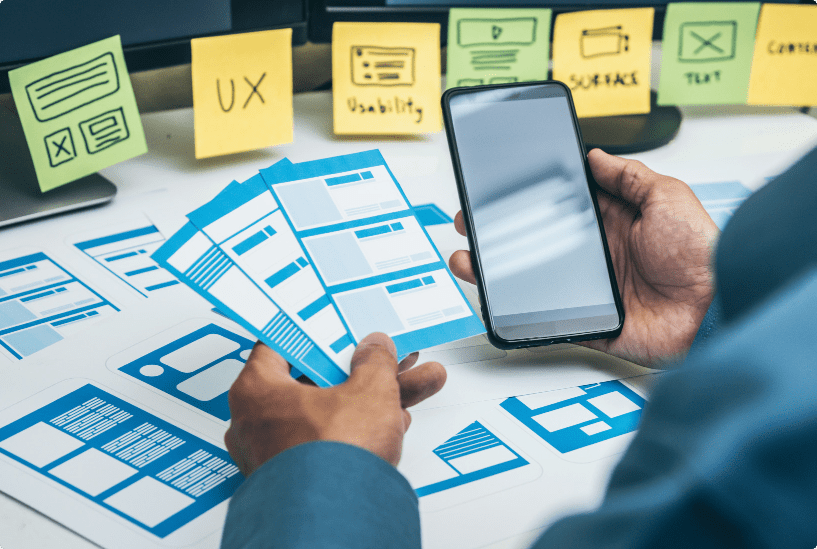
In the rapidly evolving world of digital technology, the significance of user-centered design (UCD) in UI/UX development cannot be overstated. As businesses compete for user attention in a crowded marketplace, creating products and services that prioritize user needs has become a critical success factor. User-centered design, which emphasizes designing with the end-user in mind, ensures that the final product is not only functional but also intuitive, enjoyable, and accessible.
Understanding User-Centered Design
User-centered design is a design philosophy and process that puts the user at the heart of product development. It involves thoroughly understanding users’ behaviors, preferences, and pain points to create solutions that meet their needs effectively. Unlike traditional design approaches that may focus primarily on aesthetics or technological capabilities, UCD emphasizes empathy and usability. This approach is iterative, involving continuous testing and feedback to refine the design and ensure it aligns with user expectations.
Enhancing Usability and Accessibility
One of the primary benefits of user-centered design is improved usability. By focusing on the end-user, designers can create interfaces that are intuitive and easy to navigate. This reduces frustration and enhances the overall user experience. For example, a well-designed e-commerce website with clear navigation, efficient search functions, and straightforward checkout processes can lead to higher conversion rates and customer satisfaction.
Additionally, user-centered design prioritizes accessibility, ensuring that digital products are inclusive and usable by people with diverse abilities. Incorporating features such as screen reader compatibility, keyboard navigation, and color contrast options makes interfaces more accessible and demonstrates a commitment to inclusivity.
Driving Business Success
A user-centered approach not only benefits users but also drives business success. When users find a product or service enjoyable and easy to use, they are more likely to engage with it, recommend it to others, and become loyal customers. Positive user experiences lead to higher retention rates, reduced support costs, and stronger brand loyalty.
Consider the example of companies like Apple and Google, which have mastered the art of user-centered design. Their commitment to delivering seamless and user-friendly experiences has set them apart in the competitive tech industry, fostering customer trust and loyalty.
Minimizing Risks and Costs
Investing in user-centered design during the development process can help identify potential issues early, reducing the risk of costly redesigns post-launch. Through user research, usability testing, and iterative design, businesses can uncover critical insights and address problems before they escalate. This proactive approach not only saves time and resources but also ensures that the final product aligns with user needs and expectations.
Encouraging Innovation
By prioritizing the user’s perspective, UCD encourages innovation. Designers are challenged to think creatively to solve real-world problems and improve user experiences. This focus on problem-solving often leads to the development of groundbreaking features or products that set new industry standards.
For example, the introduction of voice assistants like Siri and Alexa stemmed from the need to simplify user interactions with technology. These innovations were born from a deep understanding of user behavior and preferences.
The Iterative Nature of UCD
User-centered design is not a one-time process but a continuous journey. User needs and expectations evolve over time, influenced by technological advancements and changing societal trends. Regularly gathering user feedback and updating designs ensures that products remain relevant and effective. This iterative nature fosters a culture of continuous improvement, keeping businesses competitive in the ever-changing digital landscape.
Conclusion
In today’s user-driven world, adopting a ux design approach is no longer optional—it is essential. By prioritizing the needs, preferences, and experiences of users, businesses can create products that stand out, foster loyalty, and achieve long-term success. UCD is not just a design methodology; it is a commitment to understanding and valuing the people who use your products. In doing so, businesses can build meaningful connections with their audience and thrive in an increasingly competitive market.